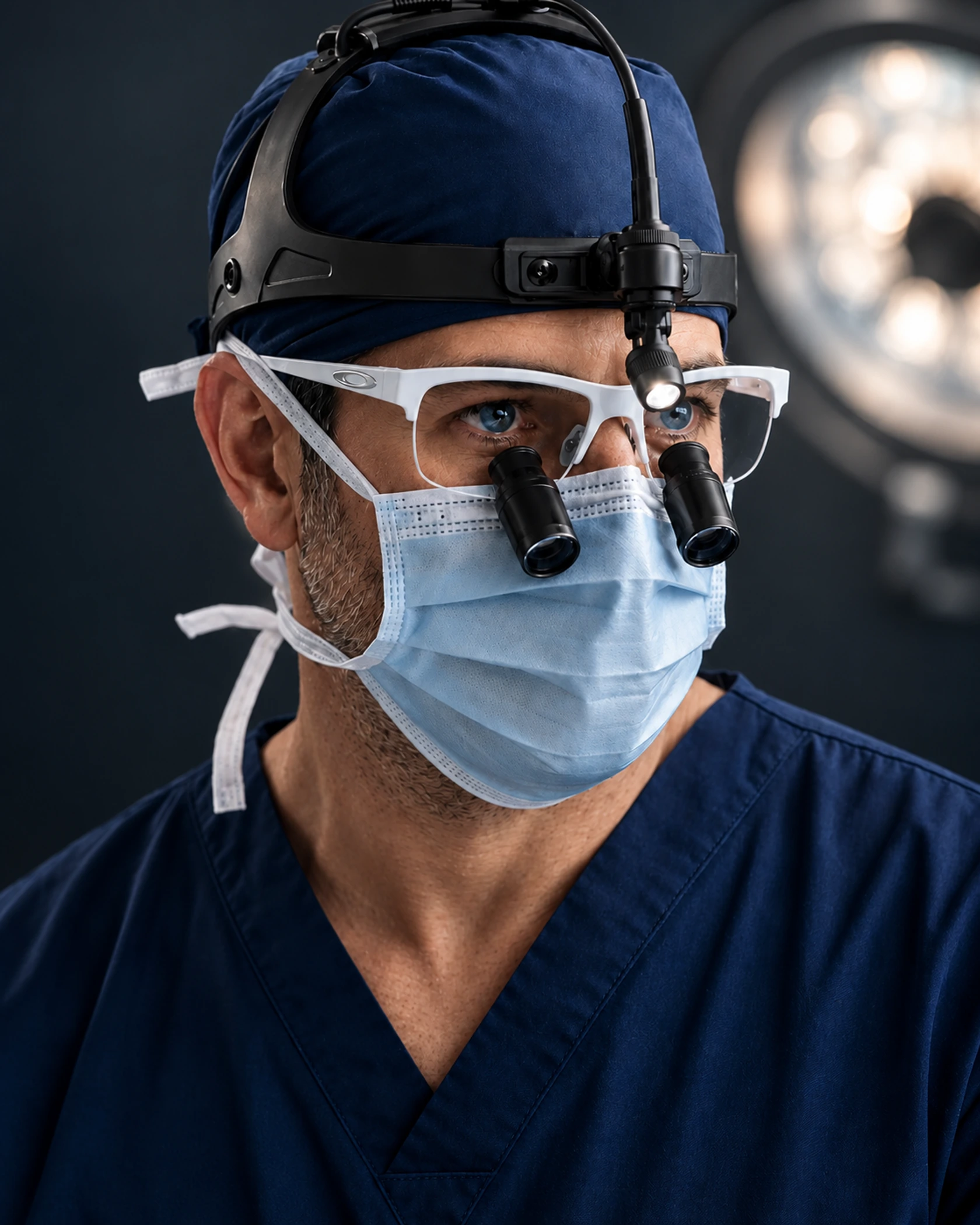
What Heart Valve Surgery Recovery Really Looks Like
If you or someone you love is facing heart valve surgery — whether it is a repair or replacement, whether it involves the aortic, mitral, or tricuspid valve — one of the first questions is almost always the same: How long until I feel normal again?
As a cardiac surgeon, I have walked hundreds of patients through this process. I can tell you that heart valve surgery recovery is not a single event. It is a series of phases, each with its own challenges, milestones, and timelines. And the experience varies depending on whether you had a traditional sternotomy (open-heart surgery), a minimally invasive approach, or a catheter-based procedure like TAVR.
What I want to give you here is an honest, practical timeline — not the sanitized version, but the real one — along with guidance on what to watch for and how to set yourself up for the strongest recovery possible.
The Valve Replacement Recovery Timeline: Week by Week
Days 1–5: The Hospital Phase
Most patients who undergo surgical valve replacement or repair spend between four and seven days in the hospital. The first day or two are spent in the ICU or a step-down cardiac unit, where the nursing team monitors your heart rhythm, blood pressure, chest tube output, and fluid balance closely.
During this phase, you will likely:
- Have your breathing tube removed within hours of surgery (in most straightforward cases)
- Start sitting up in a chair and taking short walks in the hallway by day two or three
- Experience fatigue, soreness, and sometimes confusion or poor sleep — all of which are common and expected
- Have chest tubes and temporary pacing wires removed before discharge
For patients who undergo TAVR (transcatheter aortic valve replacement), the hospital stay is significantly shorter — often just one to three days — and there is no sternotomy incision to heal. However, TAVR is not appropriate for every patient, and the right procedure depends on your anatomy, age, risk profile, and valve pathology. If you are unsure whether the approach recommended for you is the best fit, getting a second opinion from an independent cardiac surgeon can provide clarity.
Weeks 1–3: The Early Recovery at Home
This is often the hardest stretch. You are home, away from the constant monitoring of the hospital, and your body is working hard to heal. Common experiences include:
- Fatigue: This is the number one complaint. Even walking to the kitchen may leave you winded. This is normal. Your heart has been operated on, your chest wall has been divided, and your body is using enormous energy to heal.
- Incision discomfort: Sternal soreness is expected. Sharp, stabbing pains with certain movements — reaching, coughing, turning — are common in the first two to three weeks. Muscle spasms around the incision site can occur.
- Appetite changes: Many patients have little appetite for the first few weeks. Small, frequent meals are often better tolerated.
- Sleep disruption: Difficulty sleeping is extremely common. Many patients find they can only sleep semi-upright or in a recliner during the first two weeks.
- Mood changes: Up to 25-30% of patients experience depression or anxiety after open-heart surgery. This is not weakness — it is a well-documented physiological and psychological response.
During this period, sternal precautions are critical. That means no lifting anything over five to ten pounds, no pushing or pulling with your arms, and no driving. These restrictions protect the healing breastbone and typically last six to eight weeks.
Weeks 4–8: Cardiac Rehabilitation and Gradual Return
By week four, most patients begin to notice improvement — a bit more energy each day, longer walks, fewer naps. This is also when most patients start cardiac rehabilitation, a supervised exercise and education program that has been shown to improve outcomes after valve surgery.
The data on cardiac rehab is compelling. Studies published in the European Journal of Preventive Cardiology have demonstrated that patients who complete cardiac rehab after valve surgery have lower rates of hospital readmission, improved exercise capacity, and better quality of life at one year compared to those who do not participate. Despite this, only about 20-30% of eligible patients actually attend cardiac rehab in the United States — a gap that I strongly encourage every patient to close.
Between weeks four and eight, you can expect:
- Gradually increasing your walking distance and pace
- Beginning light household tasks
- Returning to driving (usually around week six, once you are off narcotic pain medications and can perform an emergency stop comfortably)
- A follow-up visit with your surgeon, typically around four to six weeks post-operatively
Weeks 8–12: Turning the Corner
This is when most patients tell me they start to feel like themselves again. Energy levels improve noticeably. The sternum is largely healed. You can begin lifting moderate weights and returning to more normal activities.
By three months, according to data from the Society of Thoracic Surgeons (STS), the majority of patients who undergo isolated valve surgery report significant improvement in their functional status. Many return to work during this window, particularly if their job is not physically demanding.
Months 3–6 and Beyond: Full Recovery
Full heart valve surgery recovery — meaning you feel as good as you are going to feel and have returned to your baseline activities — generally takes three to six months for most patients. Some patients, particularly older adults or those with multiple comorbidities, may take up to a year to reach their peak improvement.
It is important to understand that the goal of valve surgery is not just survival. It is restoration of function. If you had surgery for severe aortic stenosis, you should notice that your breathlessness on exertion has improved dramatically. If you had mitral valve repair for severe regurgitation, you should feel less fatigued and less limited than you were before surgery.
If you are not improving as expected, that is a signal to talk to your surgeon or cardiologist. It may also be a reason to seek an outside perspective — sometimes a fresh set of eyes on your imaging, operative report, and postoperative course can identify issues that need to be addressed.
Life After Valve Surgery: What Changes and What Stays the Same
Patients frequently ask me what their life will look like once they are fully recovered. Here is what I tell them:
Medications: If you received a mechanical valve, you will need lifelong anticoagulation with warfarin, including regular blood monitoring (INR checks). If you received a bioprosthetic (tissue) valve, you may only need aspirin long-term, though your cardiologist will determine the right regimen. After valve repair, medication needs vary based on the specifics of your case.
Follow-up imaging: ACC/AHA guidelines recommend echocardiographic surveillance after valve surgery. For bioprosthetic valves, this typically means an echocardiogram at baseline (postoperatively), then annually or when symptoms change. Tissue valves can degenerate over time — generally lasting 10-20 years depending on the valve position, your age, and other factors — so monitoring matters.
Activity: Most patients return to an active life. Walking, swimming, cycling, golf, gardening — all of these are typically fine after full recovery. I have patients who return to competitive sports. The key is a gradual, supervised return to activity, ideally through cardiac rehab.
Endocarditis prophylaxis: If you have a prosthetic valve (mechanical or tissue) or have had valve repair with prosthetic material, you will need antibiotics before certain dental procedures for the rest of your life. This is a simple but important precaution.
Red Flags During Valve Replacement Recovery: When to Call Your Surgeon
Most valve surgery recoveries are straightforward. But complications do occur, and recognizing them early makes a significant difference. Contact your surgical team immediately if you experience any of the following:
- Fever above 101°F (38.3°C) — may indicate infection, including wound infection or endocarditis
- Redness, swelling, or drainage from the incision — especially if it is increasing rather than improving
- Sudden weight gain (more than 2-3 pounds in a day) — may suggest fluid retention
- New or worsening shortness of breath — could indicate valve dysfunction, fluid overload, or pleural effusion
- Irregular or rapid heartbeat — atrial fibrillation is common after valve surgery (occurring in up to 30-50% of patients) and usually resolves, but it needs to be managed
- Chest pain that is different from your typical incision soreness
Do not dismiss new symptoms as normal recovery discomfort without checking. It is always better to make a phone call that turns out to be unnecessary than to miss something that needed attention.
How Your Preoperative Risk Affects Your Recovery
Not all recoveries are the same, and one of the biggest factors is where you started. Patients who go into surgery with well-managed risk factors — optimized nutrition, controlled diabetes, no active smoking, and reasonable functional status — tend to recover faster and with fewer complications.
If you have been told you need valve surgery and you want to understand your individual risk, our free cardiac surgery risk calculator can provide a personalized estimate based on the same STS risk models that surgeons use to plan your care. Understanding your risk is not about creating fear — it is about making informed decisions and preparing effectively.
Factors that tend to lengthen recovery include:
- Combined procedures (e.g., valve surgery plus coronary bypass)
- Redo or reoperative surgery
- Preoperative heart failure or reduced ejection fraction
- Advanced age (though age alone should not be the deciding factor)
- Frailty, malnutrition, or deconditioning
This is also why the surgical plan itself matters so much. Whether you undergo repair versus replacement, a minimally invasive approach versus a full sternotomy, or a transcatheter option versus open surgery — each of these decisions affects your recovery timeline and your long-term outcome. If you have not had your surgical plan reviewed by an independent surgeon, it is worth considering before your operation date.
Making Confident Decisions About Your Valve Surgery
Recovery from heart valve surgery is real work. There will be hard days, especially in the first few weeks. But the vast majority of patients come through it and tell me they wish they had done it sooner — that the improvement in how they feel was worth every difficult moment.
The key is going into surgery with the right plan, the right team, and the right expectations.
If you are facing heart valve surgery and want to make sure you have the best possible plan in place — or if you are recovering and have concerns about your progress — a WhiteGloveMD second opinion can help. Our board-certified cardiac surgeons review your complete medical records, imaging, and surgical recommendations to give you an independent, expert assessment of your options. Start your review today and get the clarity you deserve before one of the most important decisions of your life.