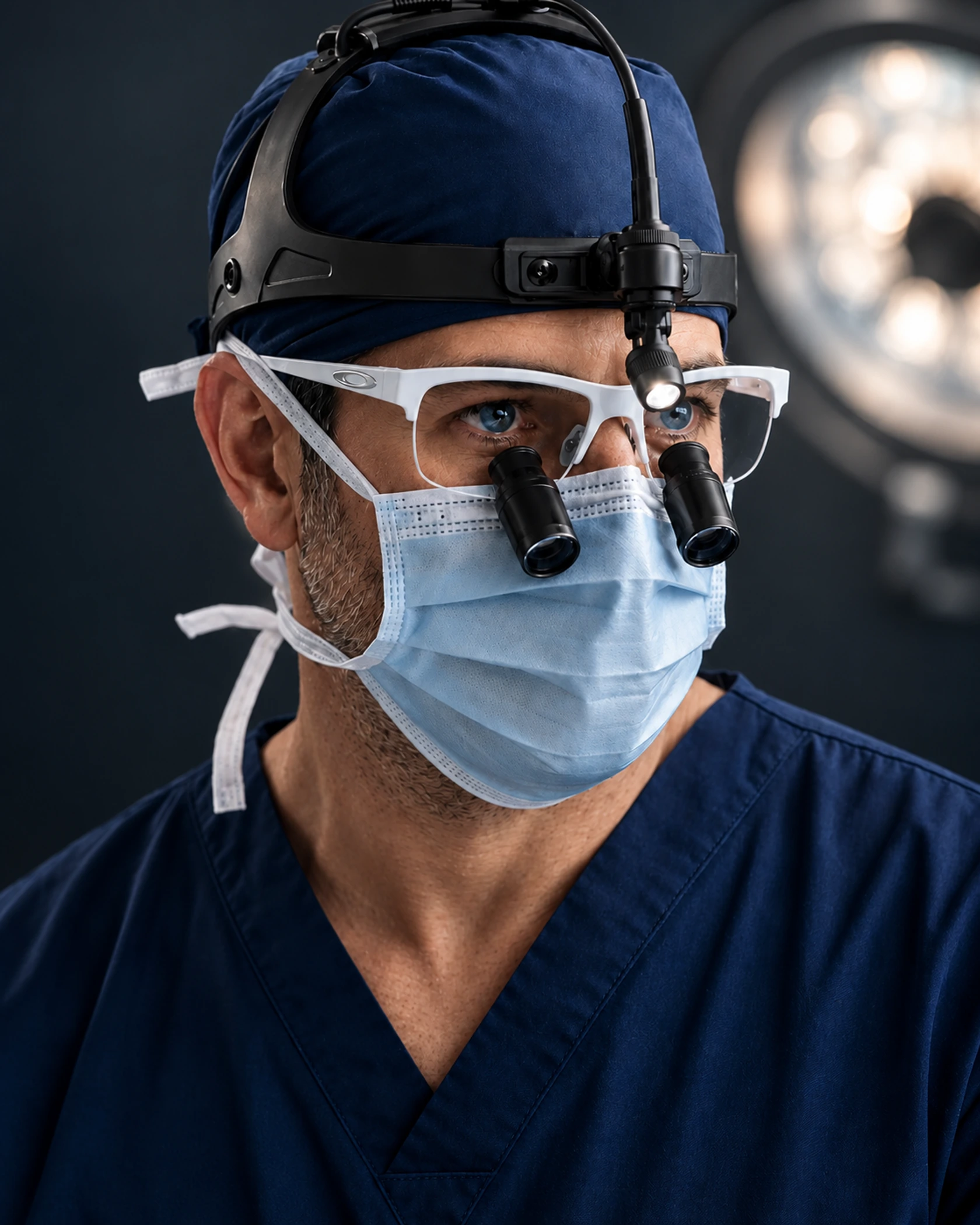
Heart Valve Surgery Recovery: Why the Real Timeline Differs from What You Were Told
If you or someone you love is preparing for heart valve surgery — or has recently had one — you probably have a very specific question: How long until I feel like myself again?
I have operated on hundreds of patients with valve disease, and I can tell you that the honest answer is more nuanced than the pamphlet you received in the surgeon's office. Most sources say "six to eight weeks." That number is not wrong, exactly, but it is incomplete. It describes when your sternum is stable enough for you to drive and lift moderate weight. It does not describe when your energy returns, when the mental fog lifts, or when you stop noticing your heartbeat every time you lie down at night.
This article is my attempt to give you the full picture — the realistic valve replacement recovery timeline, the setbacks that are normal, and the milestones that tell you things are going well. I also want to address the emotional side of recovery, because nobody talks about that enough.
The First Two Weeks: Surviving the Hospital and Getting Home
The immediate postoperative period after heart valve surgery is the most medically intensive phase. Here is what typically happens:
- Days 1-2: You will be in the ICU or a step-down cardiac unit. Chest tubes, a urinary catheter, and continuous monitoring are standard. Most patients are extubated (breathing tube removed) within hours of surgery, though some require overnight ventilation.
- Days 3-5: The focus shifts to mobilization. The physical therapy team will have you sitting in a chair and walking short distances in the hallway. This feels disproportionately exhausting — that is expected. Your heart has just been stopped and restarted. Your body is recalibrating.
- Days 5-7: Many patients are discharged home, though some go to a short-term rehabilitation facility first. According to the Society of Thoracic Surgeons (STS) database, the median hospital stay after isolated valve surgery is approximately five to seven days for surgical aortic valve replacement and six to eight days for mitral valve surgery.
Before you leave the hospital, make sure you understand your medication list. If you received a mechanical valve, you will be on warfarin (Coumadin) for life. If you received a bioprosthetic (tissue) valve, you may be on aspirin alone or a short course of anticoagulation. This is not a trivial distinction — it affects your daily routine, your diet, and your risk profile for years to come.
If you are still weighing surgical options or have questions about which valve type is right for you, getting a second opinion from an experienced cardiac surgeon before your procedure can clarify these decisions.
Weeks 2 Through 6: The Long Middle of Valve Replacement Recovery
This is the phase that surprises people. You are home, you are "recovering," and yet you may feel worse in some ways than you did in the hospital. Here is why — and what to expect:
Physical Recovery
- Fatigue is the dominant symptom. Your body is using enormous metabolic resources to heal bone, tissue, and cardiac muscle. Naps are not a sign of weakness. They are a biological necessity.
- Sternal precautions are critical. For the first six to eight weeks, you should not lift more than five to ten pounds, push or pull heavy objects, or use your arms to get out of a chair or bed. Your sternum was divided during surgery. It needs time to knit back together. Violating these restrictions risks sternal dehiscence — a serious complication.
- Appetite changes are common. Many patients report food tasting different or having little hunger. This typically resolves within four to six weeks.
- Sleep disruption occurs in the majority of patients. Studies show that up to 50-70% of cardiac surgery patients report significant sleep disturbance in the first month. Sleeping on your back with a pillow supporting your arms can help. Side sleeping is generally safe after four to six weeks, depending on your surgeon's guidance.
Emotional Recovery
This is the part I wish more surgeons discussed with their patients preoperatively. Depression, anxiety, and irritability after heart valve surgery are not rare — they are common. Research published in the Journal of Thoracic and Cardiovascular Surgery has shown that up to 30-40% of patients experience clinically significant depressive symptoms in the weeks following cardiac surgery.
This does not mean something went wrong with your operation. The combination of anesthesia, cardiopulmonary bypass, disrupted sleep, pain, and loss of independence creates a perfect storm for mood changes. If you feel tearful, anxious, or unlike yourself, tell your doctor. These symptoms are treatable and almost always temporary.
What You Can Do During This Phase
- Walk daily. Start with five to ten minutes and increase gradually. Walking is the single best activity for both physical and emotional recovery.
- Follow your medication schedule precisely.
- Keep all follow-up appointments — your surgeon needs to monitor wound healing, valve function, and rhythm.
- Enroll in cardiac rehabilitation. ACC/AHA guidelines recommend cardiac rehab after valve surgery, and data consistently show it improves functional capacity, quality of life, and long-term survival.
Months 2 Through 6: Rebuilding Strength and Confidence After Valve Surgery
For most patients, the period between two and six months after heart valve surgery is when genuine recovery becomes apparent. The trajectory is not linear — you will have good days and bad days — but the overall trend should be clearly upward.
Key milestones during this phase:
- Week 6-8: Sternal precautions are typically lifted. You can resume driving (once you are off narcotic pain medication and can turn comfortably to check blind spots). Light household activities become manageable.
- Month 2-3: Cardiac rehabilitation is in full swing. You are building aerobic capacity. Many patients are surprised at how deconditioned they became — even if they were active before surgery. This is normal. Your heart was diseased before the operation; it needs time to remodel and strengthen with its new valve.
- Month 3-4: Most patients can return to desk work. Jobs requiring physical labor may take longer — often four to six months. Your surgeon and cardiologist should guide this decision based on your specific recovery.
- Month 4-6: Sexual activity, travel, and moderate exercise are typically resumed. Studies from the STS and European guidelines suggest that by six months, the majority of valve surgery patients report functional status equal to or better than their preoperative baseline.
If you had minimally invasive valve surgery or a transcatheter procedure (such as TAVR for aortic stenosis), your physical recovery timeline may be significantly shorter — sometimes measured in days to weeks rather than months. However, the emotional adjustment and medication management are similar regardless of surgical approach.
Not sure whether your recommended approach is the right one? You can use our free cardiac surgery risk calculator to better understand your individual risk profile, or learn how our review process works before making a final decision.
Life After Valve Surgery: The Long-Term Outlook
Here is the good news, and it is substantial: the vast majority of patients who undergo successful heart valve surgery live full, active lives for many years afterward.
Long-term data are encouraging. For patients receiving bioprosthetic aortic valves, freedom from reoperation at 15 years ranges from 70-90% depending on age at implantation. Mechanical valves can last a lifetime but require lifelong anticoagulation with warfarin and regular INR monitoring. Mitral valve repair — when performed at experienced centers — has excellent durability, with freedom from reoperation exceeding 90% at ten years in many published series.
There are a few long-term considerations to keep in mind:
- Endocarditis prevention: If you have a prosthetic valve, you will need antibiotics before certain dental and medical procedures for the rest of your life. This is non-negotiable. Prosthetic valve endocarditis is a devastating complication.
- Anticoagulation management: If you are on warfarin, dietary consistency (especially with vitamin K-containing foods like leafy greens) and regular blood testing are essential. Home INR monitors can make this more convenient.
- Echocardiographic surveillance: ACC/AHA guidelines recommend transthoracic echocardiography annually or biannually to monitor valve function, even when you feel well. Structural valve deterioration can begin silently.
- Exercise: Most valve surgery patients can return to vigorous exercise. Cardiac rehab provides the foundation, but long-term physical activity — 150 minutes of moderate aerobic exercise per week, per AHA recommendations — is associated with better outcomes and longer valve durability.
- Pregnancy: For younger women with prosthetic valves, pregnancy planning requires careful coordination with a cardiologist experienced in managing valvular heart disease during pregnancy. Mechanical valves present particular challenges due to anticoagulation requirements.
When Recovery Does Not Go as Expected
I want to be direct about this: not every recovery is smooth. Complications can include atrial fibrillation (occurring in 20-40% of patients postoperatively), wound infections, pericardial effusions, and — rarely — paravalvular leaks or valve malfunction.
Red flags that should prompt immediate medical attention include:
- Fever above 101°F (38.3°C)
- New or worsening shortness of breath
- Redness, drainage, or separation of your incision
- Sudden weight gain (more than two to three pounds in a day), which may indicate fluid retention
- Irregular or very rapid heartbeat
- Chest pain different from your usual incisional discomfort
If you were told your surgery was straightforward but your recovery does not match that expectation, there is nothing wrong with seeking clarity. Sometimes the original surgical plan was appropriate, and recovery is simply taking its own course. Other times, a fresh set of eyes reveals something that can be addressed. This is exactly what a second opinion is for — not to create doubt, but to provide confidence.
A Note About Expectations
One of the most important conversations I have with patients is about realistic expectations. Heart valve surgery corrects a mechanical problem. It does not reverse years of deconditioning, eliminate coexisting conditions like diabetes or lung disease, or erase the reality that major surgery takes a physical and psychological toll. Recovery is real, but it requires patience, effort, and good medical follow-up.
The patients who recover best are the ones who prepare well, follow their rehabilitation program, communicate openly with their care team, and accept that healing takes time.
If you are facing heart valve surgery and want to make sure the recommended approach is right for your specific situation — or if you are recovering and have concerns about whether your progress is on track — a WhiteGloveMD second opinion can help. Our board-certified cardiac surgeons review your complete medical records, imaging, and surgical plan, then provide a clear, personalized assessment so you can move forward with confidence.