
Your Incision Should Be Your Decision.™
Clarity today, for a better outcome tomorrow.
A second opinion before open heart surgery.
A cardiac surgeon and cardiologist independently review your complete records, meet you in a virtual consult, and co-sign one clear report you can act on.




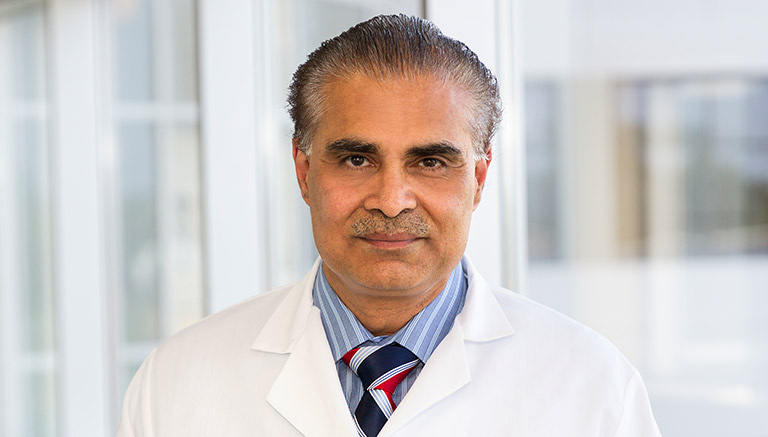
The WHITEGLOVE Heart Team
Delivered within 24 hours after required records and imaging are received and confirmed complete.

A patient and family perspective
From terrified to a clear plan.
“My family member needed urgent heart valve surgery, and the referral process dragged on for weeks while we panicked. WHITEGLOVEMD cut through all of it — they reviewed everything, explained it in plain English, and connected us with a top surgeon nearby. We went from terrified to having a clear plan.”

Kevin J.Family member of a heart-valve patient
Second thoughts are reasonable
Second guessing?Get a second opinion.
A second disciplined review is not distrust—it is due diligence.

- 1Van Such M, Lohr R, Beckman T, et al. Extent of diagnostic agreement among medical referrals. J Eval Clin Pract. 2017;23(4):870–874.
- 2Newman-Toker DE, Nassery N, Schaffer AC, et al. Burden of serious harms from diagnostic error in the USA. BMJ Qual Saf. 2023;32(3):181–193.
How it works
One clear path—from first message to next decision.
Start with a short message. We handle the records, coordinate two heart specialists, and deliver one clear report.
Explore the complete processWe gather your records
With your permission, we collect and organize the records and imaging for your review.
Receive one clear report
A cardiac surgeon and cardiologist independently review your case and co-sign your WHITEGLOVE Insights™ report.
Talk through the findings
If helpful, meet live with a physician and ask questions about what the report means.
 Case file
The time you need.
Independent cardiac expertise, centered on your outcome.

Why two specialties matter
The operation—and whether it is the right path.
The surgeon examines the operation and anatomy; the cardiologist, the alternatives.
See how the review worksThe 2021 ACC/AHA/SCAI guideline gives the Heart Team approach a Class I, B-NR recommendation.
2021 coronary revascularization guidelineThe 2020 ACC/AHA guideline gives Heart Valve Team evaluation a Class I recommendation in severe valvular disease.
2020 valvular heart disease guideline
Rahul R. Handa, MD
Cardiothoracic Surgery
Cardiovascular & Thoracic Surgeon · Founder & CEOMeet Dr. Handa
Serrie C. Lico, MD
Clinical Quality & Care Coordination
Physician Leader · Chief Medical OfficerMeet Dr. Lico- Kunal U. Gurav, MD, Cardiology
- Farhan S. Ayubi, DO, Vascular Surgery
- Callistus M. Ditah, MD, Aortic Surgery
- Rajiv R. Handa, MD, Cardiac Electrophysiology
WHITEGLOVE Insights™
Your record, turned into a decision-ready picture.
Your report maps the diagnoses, anatomy, risk context, alternatives, unanswered questions, and next steps—from your own record.
- 3surgical-risk models compared when the required data allow
- 2independent physician reviews
- 1co-signed, source-linked report
Your decision,
organized.

Made understandable.
Current clinical picture
The diagnoses, history, and plan already proposed—attributed to the source record.
Your surgical risk, in plain language
When the required inputs allow, validated risk estimates are compared—limitations made visible.
Your options, with the pros and cons
Surgical, minimally invasive, catheter-based, and medical alternatives compared in plain language.
Surgeon and center fit
Procedure-specific public outcomes, experience, geography, and practical considerations when relevant.
Your questions, answered
Questions raised during your consultation, preserved with the Heart Team’s answers.
This educational preview contains no patient data and is not a diagnosis or treatment recommendation.
OUR TRANSFER NETWORK










When surgery is the answer, we don’t hand you a phone number.
Your surgeon refers you physician-to-physician — to senior surgeons at leading academic centers.
Physician-to-physician
Introductions where operating decisions are made.
One complete file
Opinion, records, and imaging — ready to act on.
No repeat workup
Your case moves with you.
As seen on NBC

Why a second opinion matters before open-heart surgery.
Rahul R. Handa, MD on when a second opinion can change an open-heart surgery decision.
Watch the interviewWhy WHITEGLOVEMD
A second opinion built around the decision—not the institution.
Clinical independence matters. So does making the process usable.
Why patients choose WHITEGLOVEMDIndependent by design
The reviewing physicians are not employed by your hospital or surgeon.
Two cardiac specialties
A cardiac surgeon and cardiologist review independently and co-sign one report.
Records, coordinated
With your authorization, we collect and organize the records and imaging.
Clarity you can use
A written report you can take to your family and treating team.
Conditions we review
Your exact heart-surgery question belongs here.
The diagnosis, the proposed operation, reasonable alternatives, personalized risk, and surgeon-and-center fit.
Explore all conditionsIs WHITEGLOVEMD a replacement for my surgeon or cardiologist?
No. WHITEGLOVEMD provides independent educational decision support and medical-record review. Your treating clinicians remain responsible for diagnosis, orders, prescriptions, and ongoing care.
Who reviews my case?
Two physicians—a cardiac surgeon and a cardiologist. They review independently, confer, and co-sign the final WHITEGLOVE Insights™ report.
When does the 24-hour turnaround begin?
After the required records and imaging for your review have been received and confirmed complete. Our records team can help obtain them.
How does WHITEGLOVEMD get my medical records and imaging?
After you authorize release, our records team requests them directly from your hospitals and practices—or you can securely upload anything you already have.
What is included in the Heart Team review?
An independent written review co-signed by a cardiac surgeon and a cardiologist. Message us and a care coordinator will walk you through what to expect.
What if I have urgent symptoms right now?
WHITEGLOVEMD is not an emergency service. If you think you may be experiencing a medical emergency, call 911 or go to the nearest emergency department immediately.
Not sure where to begin?
Send us a message.
Tell us what is on your mind. We will call you back.
(855) 688-3160